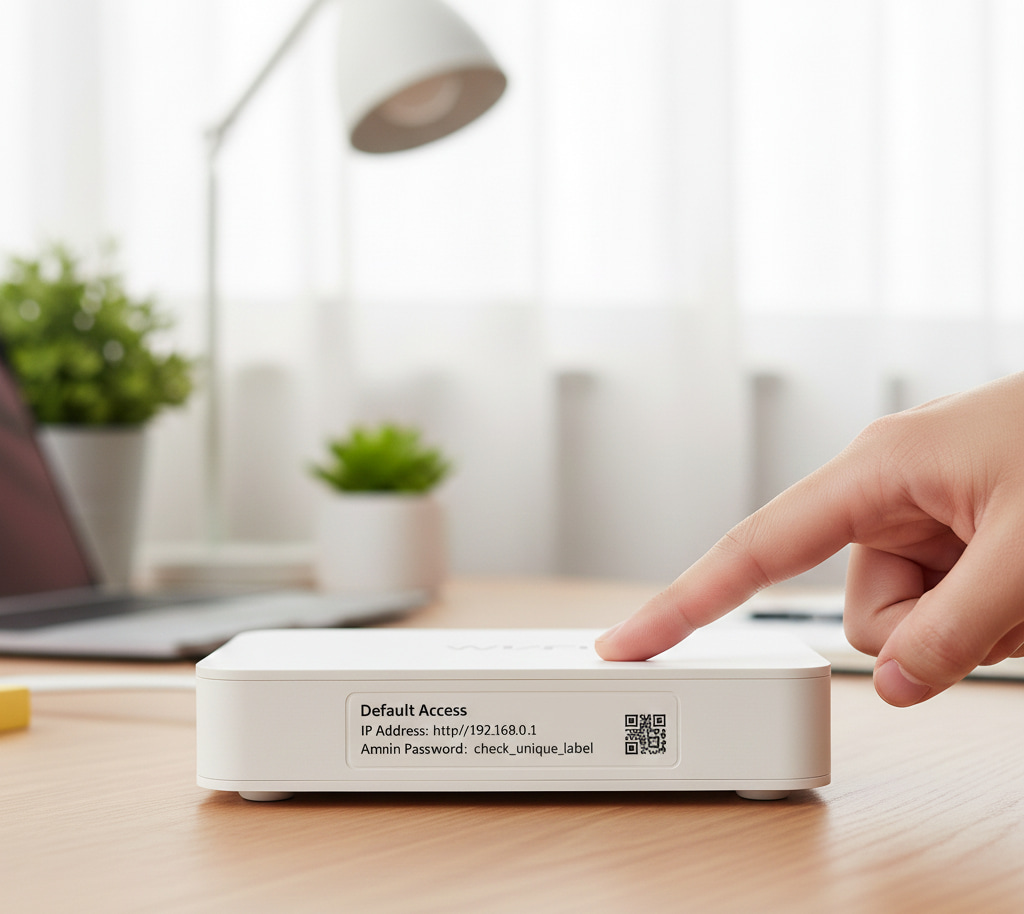
Your router is the “digital front door” to your home. It manages traffic between the internet and your devices, hosting critical features like Wi-Fi passwords, Parental Controls, and Guest Networks.
While many modern routers now use mobile apps for setup, the classic web interface at 192.168.0.1 remains the most powerful way to configure advanced settings. This guide covers how to access your admin panel, the default passwords for major brands, and critical security steps to keep your network safe.
192.168.0.1 is a private IP address commonly used as the “Default Gateway” by router manufacturers like D-Link, TP-Link, Tenda, and Netgear. Think of it as the home address for your router. By typing this into a web browser, you can access the dashboard inside the device itself.
Note: If this IP doesn’t work, your router might be using 192.168.1.1 or 10.0.0.1. (See the Troubleshooting section below).
How to Login (The Browser Method)
To access the admin panel via a web browser on your computer or smartphone:
Connect to Wi-Fi: Ensure your device is connected to your router’s network (either via Wi-Fi or Ethernet cable). Do not use 4G/5G mobile data.
Open a Browser: Use Chrome, Edge, Safari, or Firefox.
Enter the IP: Type http://192.168.0.1 into the address bar and hit Enter.
Tip: If you get a security warning, click “Advanced” -> “Proceed to 192.168.0.1 (unsafe)”. This is normal for local routers.
Login: Enter the username and password when prompted.
Default Router Logins by Brand
If you haven’t changed your login details yet, try these common defaults.
Router Brand
Common Username
Common Password
D-Link
admin
(leave blank)
TP-Link
admin
admin
Netgear
admin
password
Tenda
admin
admin
ASUS
admin
admin
ZTE
user
user
Pro Tip: Check the sticker on the bottom or back of your router. It almost always lists the specific “Default Access” URL, username, and password for your exact model.
The Modern Method: Manufacturer Apps
If the browser method feels outdated, you aren’t alone. Most manufacturers now recommend using their official apps for easier management. These apps let you pause the internet, run speed tests, and update firmware without typing IP addresses.
TP-Link: Download the Tether app.
Netgear: Download the Nighthawk app.
Linksys: Download the Linksys app.
Asus: Download the ASUS Router app.
Troubleshooting: Why Can’t I Load 192.168.0.1?
If the page times out or says “This site can’t be reached,” try these fixes:
1. Check Your “Real” Gateway IP
Your router might not be on 0.1. Here is how to find the correct address:
Windows: Press Win + R, type cmd, and press Enter. In the black box, type ipconfig. Look for the line that says Default Gateway.
Mac: Go to System Settings > Network. Click “Details” next to your connected Wi-Fi. Look for the Router IP address.
iPhone: Go to Settings > Wi-Fi. Tap the “i” icon next to your network. Scroll down to Router.
2. Hard Refresh the Browser
Sometimes browsers try to force “https://” which can break local router pages. Clear your cache or try opening the IP in “Incognito/Private” mode.
3. Physical Connection
If you are setting up a new router, ensure the Ethernet cable from your modem is plugged into the WAN/Internet port (usually blue or yellow), and your computer is plugged into a LAN port.
5 Essential Security Settings to Change
Once you are logged in, do not just leave the settings as they are. Change these five things immediately to secure your home from hackers:
Change the Admin Password: Never leave the password as “admin” or “password.” This is the first thing hackers try.
Update Firmware: Look for “System Tools” or “Administration” and run a Firmware Update. This patches security holes.
Enable WPA3: In your Wireless settings, change the security mode from WPA2 to WPA2/WPA3 Personal. WPA3 is the latest, most secure standard.
Disable WPS: “Wi-Fi Protected Setup” (the push-button connect feature) is a known security vulnerability. Turn it OFF.
Create a Guest Network: Set up a separate “Guest” Wi-Fi for visitors and smart home devices (like smart bulbs or fridges). This keeps them isolated from your personal laptop and banking data.
How to Factory Reset Your Router
If you have forgotten your custom password and cannot log in, you must reset the router to factory settings.
Locate the small Reset button on the back of the router (often inside a tiny hole).
With the router powered on, use a paperclip or pin to press and hold the button for 10 to 15 seconds.
Release when the LED lights on the front flash or turn off and on again.
Wait 2 minutes for the router to reboot.
Login using the default credentials (e.g., admin/admin) listed on the sticker.
Final Thoughts
Accessing 192.168.0.1 puts you in control of your network. Whether you are prioritizing your gaming PC’s traffic, blocking harmful websites for your kids, or just changing your Wi-Fi name, these settings are powerful tools.